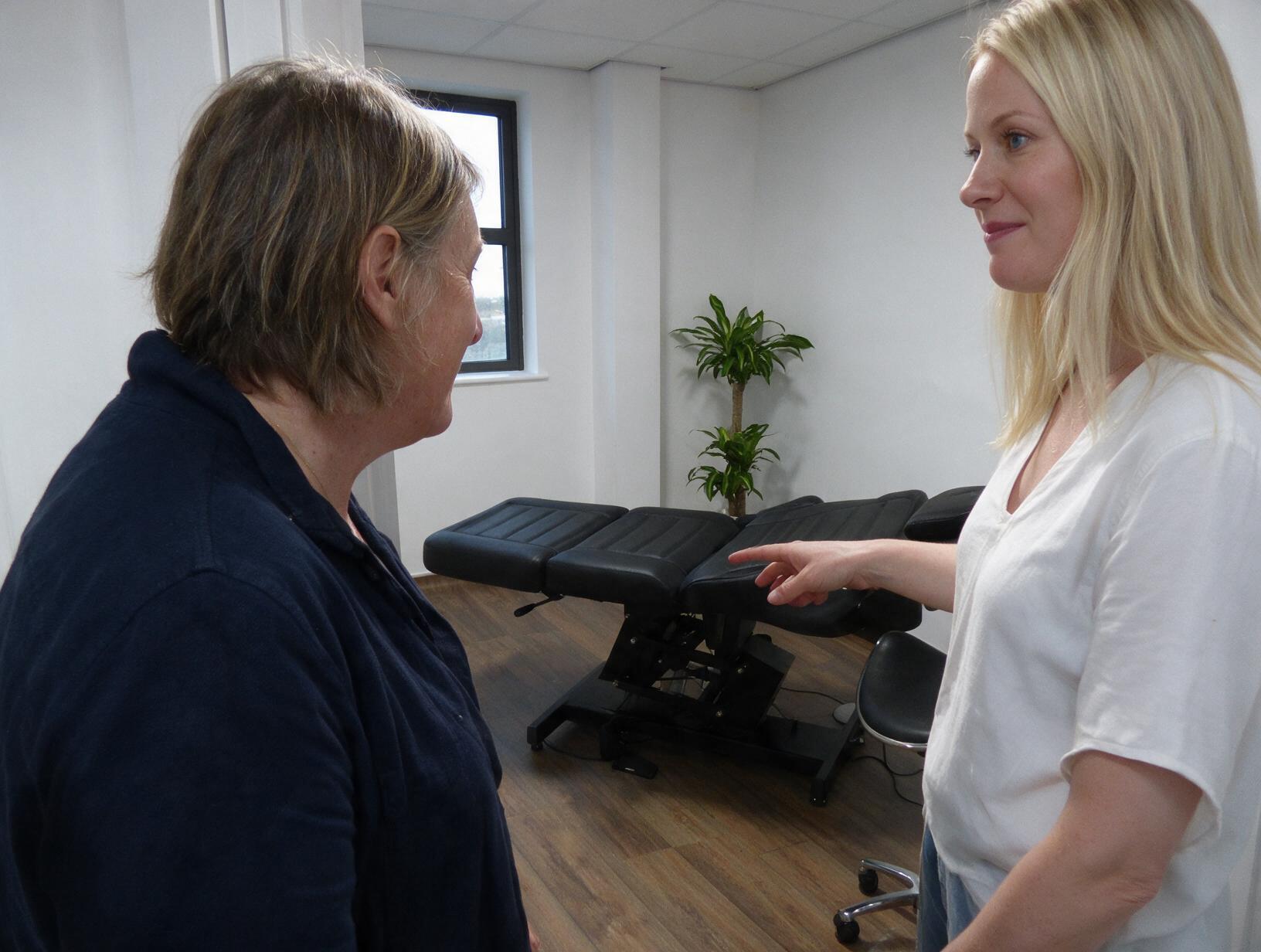
What does SMP pain feel like?
Scalp micropigmentation uses a fine needle to place tiny pigment dots into the upper layers of the scalp. Because the needle is smaller and the work is more precise than a conventional body tattoo, the sensation is usually lighter than people expect.
Clients commonly describe it as scratching or tapping. It is not completely sensation-free, and some parts of the scalp can feel more sensitive than others. The temples, hairline and areas with thinner skin may be more noticeable, while sensitivity also depends on your individual pain threshold, tiredness and anxiety on the day.
When people ask me, “is SMP painful?”, I explain that there may be discomfort, but it should not be treated as a test of endurance. I monitor how you are feeling throughout the appointment and can pause when needed.
SMP pain at a glance
- Clients commonly describe the feeling as scratching or tapping.
- The temples, hairline and areas with thinner skin may be more noticeable.
- I apply numbing medicine to the treatment area before starting.
- A complete treatment commonly involves two to four sessions.
- A session may take one to five hours, depending on the area.
How do I make scalp micropigmentation more comfortable?
Before starting, I apply numbing medicine to the treatment area. I also take time to explain what I am doing, agree the treatment plan and make sure you are comfortable with the proposed hairline, pigment colour and areas being treated.
Arriving rested, hydrated and with a clean scalp can make the appointment easier. You should also tell me about medication, supplements, allergies and any health conditions during your consultation. Do not stop prescribed medication without speaking to the clinician who prescribed it.
Good preparation matters for more than comfort. It helps me work safely and assess whether treatment should go ahead. Active eczema, psoriasis flare-ups or scalp irritation need to settle first. Anyone with a history of keloid scarring should discuss SMP with a dermatologist before booking, because tattooing can trigger abnormal scarring.
I explain the wider considerations in my guide to whether scalp micropigmentation is right for you, including expectations and suitability.
Is scalp micropigmentation more painful in some areas?
Comfort can vary across the scalp. Areas near the temples and frontal hairline may feel sharper because the skin can be more sensitive. Scar tissue can also respond differently from unscarred skin. Some clients with scalp scarring or hair transplant scars choose treatment to reduce the contrast of the scar, but I assess the tissue carefully before proceeding.
Existing hair does not automatically make treatment more painful. SMP can be placed between existing hairs to reduce visible scalp show-through, as well as used on a closely shaved or bald scalp. The size of the area, the condition of the skin and the amount of detail required all affect how long the session takes and how the experience feels.
A complete treatment commonly involves two to four sessions. A session may take one to five hours, depending on the area. Breaking the work into appointments allows the scalp to settle and gives me the opportunity to assess the healed colour and density before adding further detail.
What happens after an SMP session?
Some redness, warmth or tenderness can occur after treatment. The colour may also look stronger at first, then soften as the scalp heals. This is part of the normal settling process and does not mean the final appearance has been reached.
For the first four days, keep the scalp dry. Avoid washing, shampoo, shaving, heavy exercise, hot showers, steam rooms and activities that cause sweating. Avoid direct sun exposure during this early period. From day four, follow the moisturising instructions I give you. Avoid swimming pools, saunas and steam rooms for 28 days, and protect the scalp from the sun afterwards with SPF 30 to 50.
Visible redness normally settles within a few days, while the pigment can take a month or longer to fully set. Do not pick scabs or interfere with the skin while it heals. My step-by-step guide to the SMP process explains what happens at consultation, during sessions and afterwards.
When is pain after SMP not normal?
Mild sensitivity is different from severe or worsening pain. Contact your healthcare provider if you develop severe pain, fever, pus or drainage, marked swelling or severe redness. You should also contact me if you have unusual discomfort, warmth or a healing concern that goes beyond what we discussed.
Infection, an allergic reaction, granuloma, scarring and pigment migration are recognised risks of tattoo-based treatments. Choosing an experienced, properly trained SMP professional and checking healed examples of their work can reduce avoidable risks. I am the owner of Evoke Hair Clinic in Sheffield, which I established in 2015, and I work as an SMP artist and consultant.
It is also important to understand what SMP can and cannot do. It creates the visual impression of fuller hair, a closely shaved head or reduced scalp contrast. It does not regrow hair, change natural hair growth or treat the cause of hair loss. Pigment gradually fades over time, so a future top-up may be appropriate. The treatment is intended to be long-lasting, not permanently unchanged.
If you are considering treatment for a transplant scar, you can read about SMP for scarring and hair transplants before arranging an assessment.
If pain is your main concern, bring that question to consultation rather than deciding from general descriptions online. You are welcome to get in touch with Evoke Hair Clinic in Sheffield to discuss your circumstances.